
Cracks deserve the right diagnosis
Foundation Crack Repair in Plano
Show us where the crack is and how it has changed.
Cracks deserve the right diagnosis
Show us where the crack is and how it has changed.
Cracks are among the most visible signs associated with foundation movement, but they can develop for many reasons. Concrete shrinks as it cures, masonry expands and contracts, drywall joints move, water enters through gaps, and foundations respond to changes in supporting soil. Filling a crack without understanding its cause can hide useful evidence while leaving the original problem unchanged.
Plano Foundation Repair evaluates the crack's location, direction, width, surrounding damage, moisture exposure, and relationship to other movement signs. We then discuss whether the priority is structural stabilization, water control, monitoring, masonry repair, concrete sealing, or cosmetic restoration.

The word foundation crack can describe several very different conditions. Some cracks are located in the concrete foundation itself, while others appear in brick, mortar, drywall, tile, or finishes because the surrounding structure has moved.
Hairline concrete cracks may result from shrinkage and may not indicate meaningful settlement. Wider, displaced, leaking, or changing cracks deserve closer evaluation. Treatment may involve sealing, routing and filling, injection methods, water management, or structural work depending on the condition.
Stair-step cracks, separation near windows, and openings at corners can be associated with differential movement. Masonry repair should generally follow any necessary stabilization so repaired joints are less likely to reopen immediately.
Drywall cracks above doors and windows may be early indicators of movement, but they can also follow normal framing changes or previous repairs. The broader pattern is more useful than a single finish crack.
Cracks that admit water require attention to both the opening and the source of moisture. Exterior drainage, grading, hydrostatic pressure, plumbing, and surface runoff may need to be addressed along with sealing.
We assess visible width, displacement, direction, moisture, location, and nearby movement signs.
Suitable nonstructural cracks may be cleaned and sealed using a material selected for the location and intended performance.
Brick and mortar restoration is coordinated with any necessary structural stabilization and movement monitoring.
We review drainage and moisture conditions when cracks appear damp, stained, or associated with water intrusion.
Complex, displaced, unusual, or actively changing cracks may warrant review by an independent structural engineer.
Photos, dated measurements, weather notes, and periodic review can help determine whether a crack is stable or continuing to change.
Filling a crack without knowing what caused it hides the symptom and tells you nothing. The pattern is the useful information.
Concrete cracks as it cures. Fine hairline separation, generally under about a sixteenth of an inch and running in no particular direction, is shrinkage and usually needs nothing beyond sealing if water is getting through. What matters is width, direction, and whether the crack is still moving. A simple test costs nothing: mark each end with a dated pencil line and measure across the widest point. If nothing has changed in six months, the structure has stopped moving there.
| What you see | What it usually indicates | Typical response |
|---|---|---|
| Hairline, under 1/16 inch, random direction | Normal curing shrinkage | Monitor, seal only if water passes through |
| Vertical or near vertical, under 1/4 inch | Minor settlement, frequently stable | Mark and measure, inject if it leaks |
| Stair-step through brick mortar | Differential movement below that wall | Elevation survey before any patching |
| Wider at one end than the other | One section rotating or dropping | Structural evaluation |
| Horizontal crack | Lateral soil pressure against the wall | Evaluate promptly, injection alone is not the fix |
| Any crack over 1/4 inch or still widening | Active movement | Address the cause before the cosmetics |
Two injection materials get used and they are not interchangeable. Epoxy is rigid and bonds the concrete back together, which restores strength and suits a crack that has stopped moving. Polyurethane stays flexible and expands to block water, which suits a crack that still shifts slightly with the seasons or that is actively leaking. Injecting rigid epoxy into a crack that is still moving simply relocates the failure to the concrete a few inches away.
The important limitation: injection repairs the concrete, not the ground. Where a crack is the visible result of soil movement underneath, sealing it without addressing support means it reopens, usually within a season or two. That is why a crack wider than a quarter inch, a stair-step pattern in brick, or anything horizontal deserves an elevation survey before the caulk gun comes out.
| Service | Estimated Cost | Average |
|---|---|---|
| Minor concrete crack sealing | $300–$1,200 | $750 |
| Multiple crack or water-entry repairs | $1,000–$4,000 | $2,500 |
| Masonry crack restoration | $750–$5,000+ | $2,875 |
| Structural repair related to cracking | $3,000–$25,000+ | $14,000 |
Crack repair costs depend on accessibility, material, crack length and depth, water entry, movement, finish restoration, and whether structural stabilization or drainage correction is needed first.
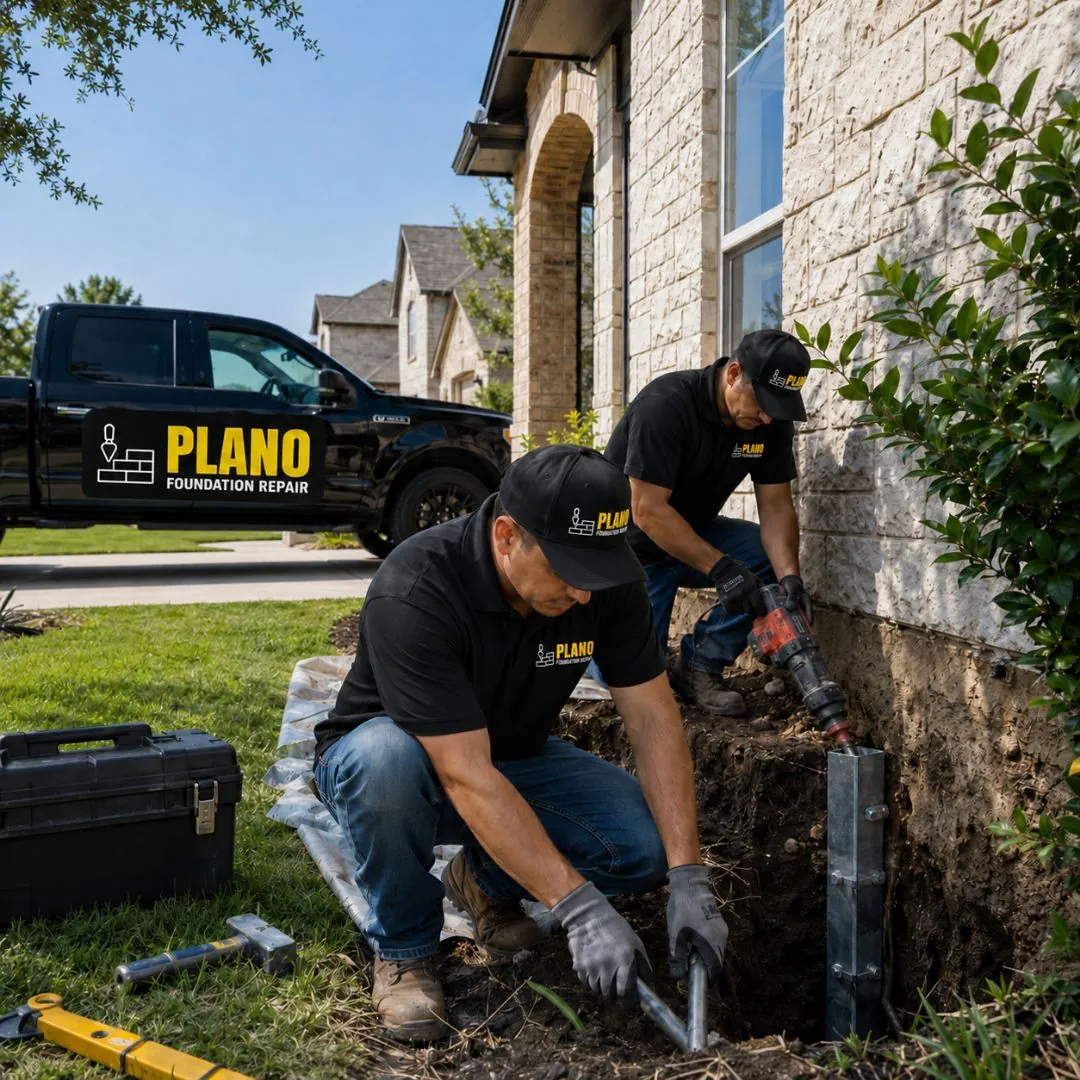
We evaluate the movement and moisture conditions before recommending a filler or finish repair.
Concrete, mortar, brick, drywall, and exterior joints behave differently and require different repair approaches.
When a crack leaks, we look at runoff, grading, drainage, and pressure conditions rather than treating only the visible opening.
Not every minor crack requires immediate structural work. We explain when documentation and observation may be a reasonable first step.
A quarter inch is the common rule of thumb for when a crack deserves professional evaluation rather than monitoring. Direction matters just as much as width. Any horizontal crack warrants prompt attention regardless of how narrow it is, and a crack that keeps widening matters even if it is currently thin.
It depends on whether the crack still moves. Epoxy injection is rigid, bonds the concrete structurally, and suits a stable crack. Polyurethane stays flexible and seals against water, which suits a crack that shifts seasonally or is leaking. Where the underlying cause is soil movement, neither material is the real fix on its own.
Almost always, yes. The more useful question is whether repairing the crack is sufficient. If the concrete has cracked but the structure is stable, injection restores it well. If the crack is a symptom of a section that is still settling, the support has to be corrected first or the repair will not hold.
Consumer products seal narrow, stable, non-structural cracks reasonably well and are fine for keeping water out of a garage floor or patio. They do not bond structurally the way professionally injected epoxy does, and they will not hold on a crack that is still moving. For anything wide, horizontal, or growing, they hide the problem rather than fixing it.
Generally not, because most cracking here traces to expansive soil and settlement, which standard Texas policies exclude. Coverage is more likely when the cause is a sudden covered event such as a plumbing leak under the house. Since the cause determines the answer, testing before filing is often worthwhile.
Epoxy cures rigid and welds the two faces of the concrete back together, restoring structural continuity, but it requires a crack that has stopped moving. Polyurethane cures flexible and expands on contact with moisture, sealing water out while tolerating slight ongoing movement. Choosing wrongly is the most common mistake in crack work.
Generally yes. Vertical and diagonal cracks usually reflect settlement, which is common and often manageable. A horizontal crack suggests lateral pressure pushing against the wall, which is a different and more serious loading problem. Sealing a horizontal crack without relieving the pressure behind it does not address what is happening.
Sealing and injection work alone commonly runs $500 to $1,500 depending on the number and length of cracks. If the cracking is a symptom of settlement and support is needed, the cost shifts to the piering scope, where a partial perimeter typically falls between $3,000 and $6,500. That distinction is exactly why diagnosis should come first.
Do not rely on a patch alone when a crack may be showing continued movement. Start with an evaluation. One quick call is usually all it takes.
Quick, simple, and no obligation
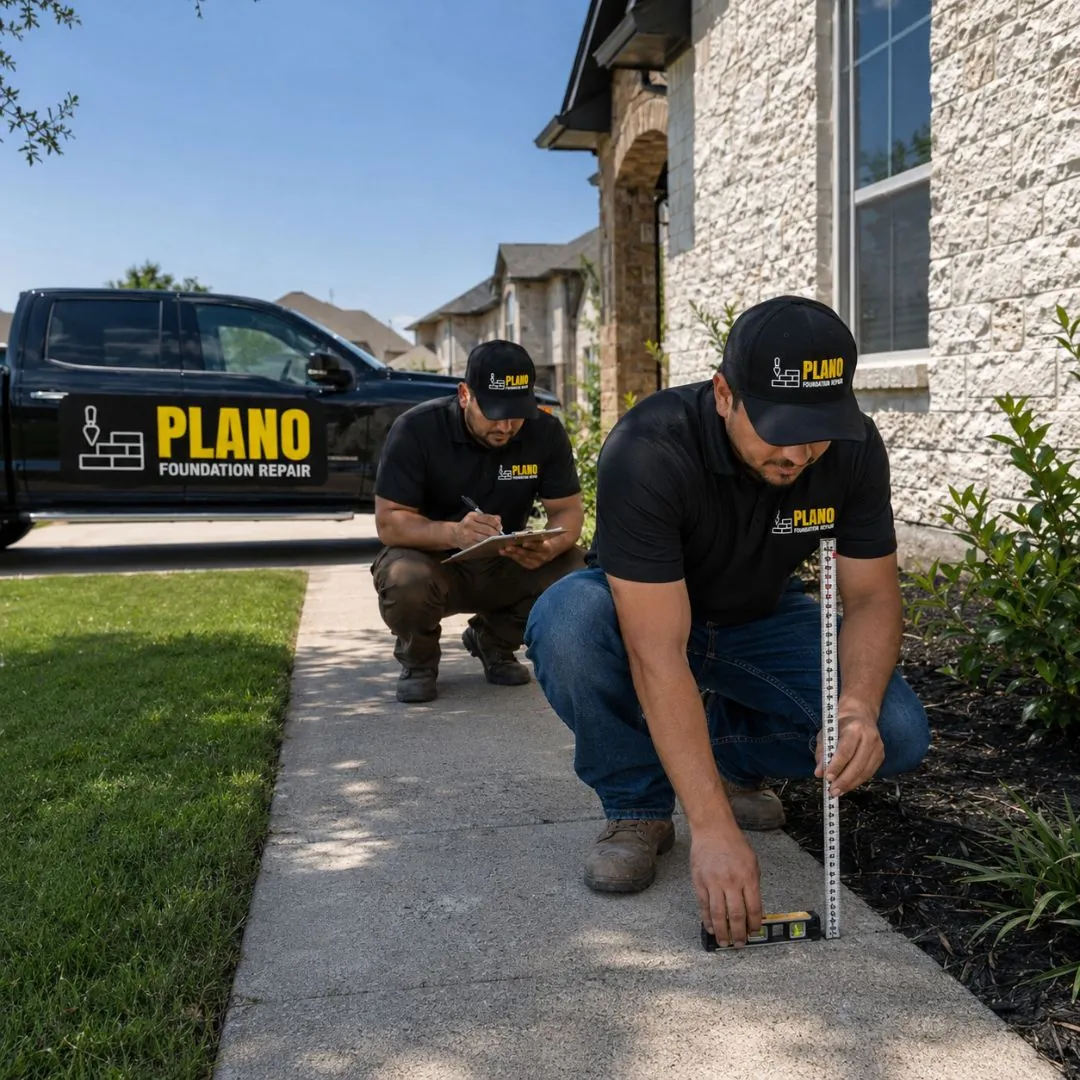
We document its location, direction, width, displacement, material, moisture, and nearby damage.
Doors, windows, floors, exterior masonry, and other cracks are reviewed for a broader pattern.
Shrinkage, settlement, soil movement, water entry, drainage, and material changes are considered.
We determine whether stabilization, moisture control, sealing, masonry work, or monitoring should come first.
The crack is prepared and treated using an approach suited to its material and condition.
We explain what changes to watch for and when another inspection may be appropriate.